
Steam and Hot Water Systems
Boiler & Radiator Heat Repair
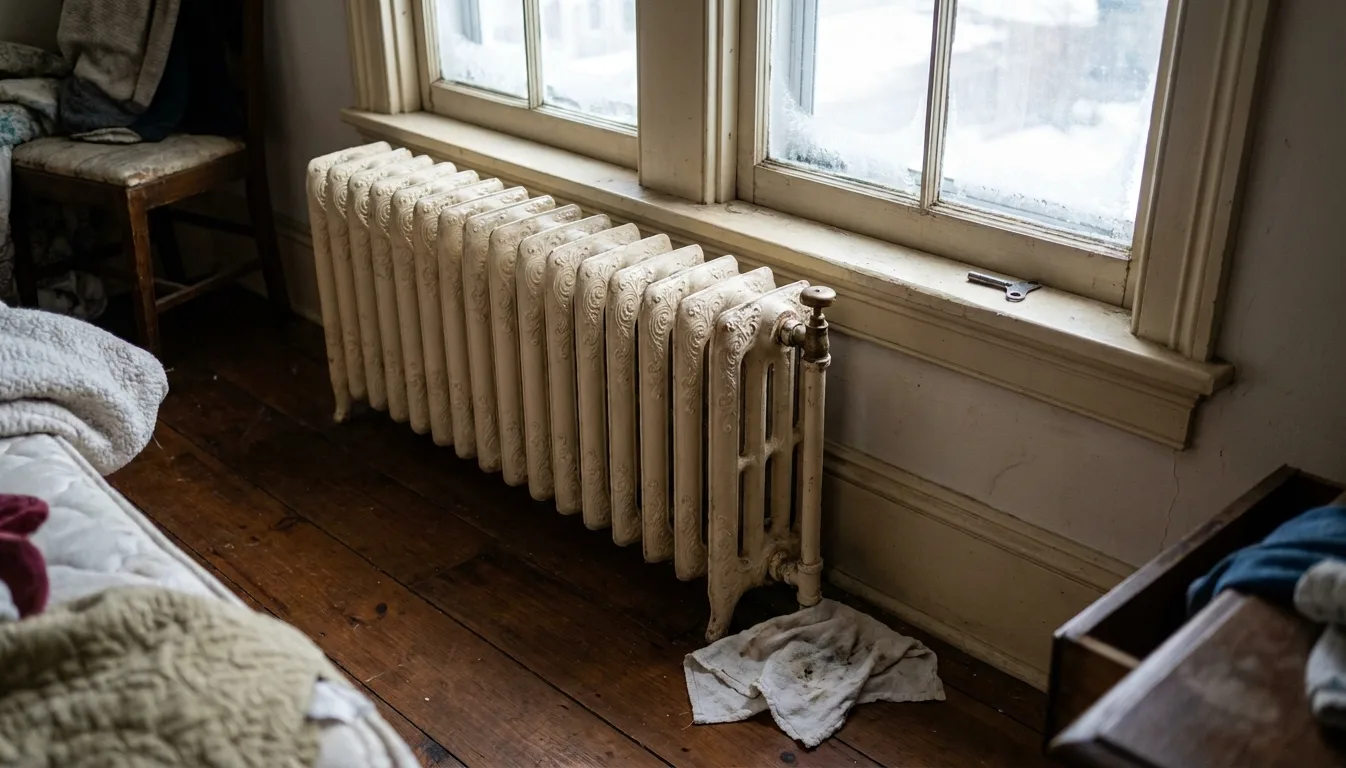
Older homes often rely on boilers that send heated water or steam through pipes to radiators or floor loops. Pressure matters. When pressure drops or air gets trapped the heat stops reaching some rooms. We locate the root cause and get heat back to every room.
Pressure and Circulation Problems
Low pressure often traces to a leaking fill valve or a faulty pressure relief valve. Mancini Heating & Cooling technicians attach a gauge and watch the reading while the system warms up to confirm the drop happens under load.
What happens with the expansion tank? The bladder inside dries out - and pressure swings too high or too low. We drain the tank, recharge it to the right psi and check the Schrader valve for leaks before putting the boiler back in service.
Circulator pumps and zone valves can seize or lose power. We test voltage at the terminals, spin the impeller by hand, and replace the part only when amp draw or flow confirms failure.
Steam Boiler Water Management
Steam systems need steady water levels and clean internals so low-water cutoffs and automatic feeders work correctly.
Water Level Checks
- Sight glass shows actual boiler water height
- Low-water cutoff probe cleaned of scale
- Automatic feeder valve tested for leaks
- Blowdown valve opened to clear sediment
- Gauge glass gaskets replaced if cloudy
Air Removal Steps
- Bleed each baseboard vent starting at the top floor
- Open cast iron radiator valves one quarter turn
- Listen for gurgling after air leaves the line
- Check main vents on steam mains for proper operation
- Confirm return lines slope back toward the boiler
Banging pipes usually mean water hammer from rapid steam contact with pooled condensate. We trace pitch in the mains, clear clogged returns, and adjust steam vents so condensate moves steadily back to the boiler without slugs of water.
Ignition and High-Efficiency Parts
| Symptom | Likely Component |
|---|---|
| No flame on call for heat | Ignition module or gas valve |
| Short cycling after ignition | Flame sensor needs cleaning |
| Condensate dripping from cabinet | Drain line clogged or frozen |
| Error code on display | Sensor reading out of range |
| Boiler runs then locks out | High-limit switch tripped |
Condensing boilers produce acidic condensate that must drain freely. We flush the trap, check the neutralizer if present, and make sure the line slopes correctly so the safety switch does not shut the unit down.
Pilot assemblies and hot surface igniters collect dust and carbon. We remove the assembly, clean the ports, verify spark or glow, and confirm the flame rod reads the proper microamp signal before reassembling.
Bleeding and Zone Balancing
Air pockets in baseboard or radiant loops leave sections cold even when the boiler fires. We isolate each zone, open bleed valves at the highest points, and continue until steady water flows without sputtering.
Zone valves that stick closed or partially open create uneven heat. We measure voltage to the actuator, check end-switch continuity, and replace the head or the entire valve body when the motor no longer turns the paddle.
Keep the boiler room clear of stored items. Blocked access to the boiler, expansion tank, or condensate pump makes routine checks and future repairs slower and more difficult.
What typically fails on residential boilers?
Why do radiators stay cold on the top floor?
Air trapped in the highest loops prevents hot water or steam from circulating. Bleeding each radiator or baseboard vent restores flow. We also check pump head and balance valves if bleeding alone does not fix the temperature difference.
What causes repeated low-pressure lockouts?
A slow leak at the fill valve, relief valve, or an older expansion tank diaphragm lets pressure fall. We isolate the leak by isolating sections of the system and replace the failed component rather than repeatedly adding water.
How do we know a circulator pump has failed?
We listen for the motor hum, check amp draw against the nameplate, and feel for vibration at the volute. If the impeller spins freely but flow remains low, the pump cartridge or the entire wet rotor assembly needs replacement.
When Boiler Repair is finished we also handle Refrigerant Leak Repair on cooling equipment if the home uses a split system. Our technicians keep the focus on the parts that actually failed instead of replacing entire assemblies.
Schedule Boiler Repair Today
Tell us the symptoms and we will arrive with gauges and common parts to diagnose the issue on site.
Call (888) 205-1096