
Twice-Yearly System Checks
HVAC Maintenance & Seasonal Tune-Ups
Our technicians perform a cooling inspection each spring and a heating inspection each fall. These visits address the specific loads placed on equipment by hot humid summers or cold winters and catch small issues before they stop the system.
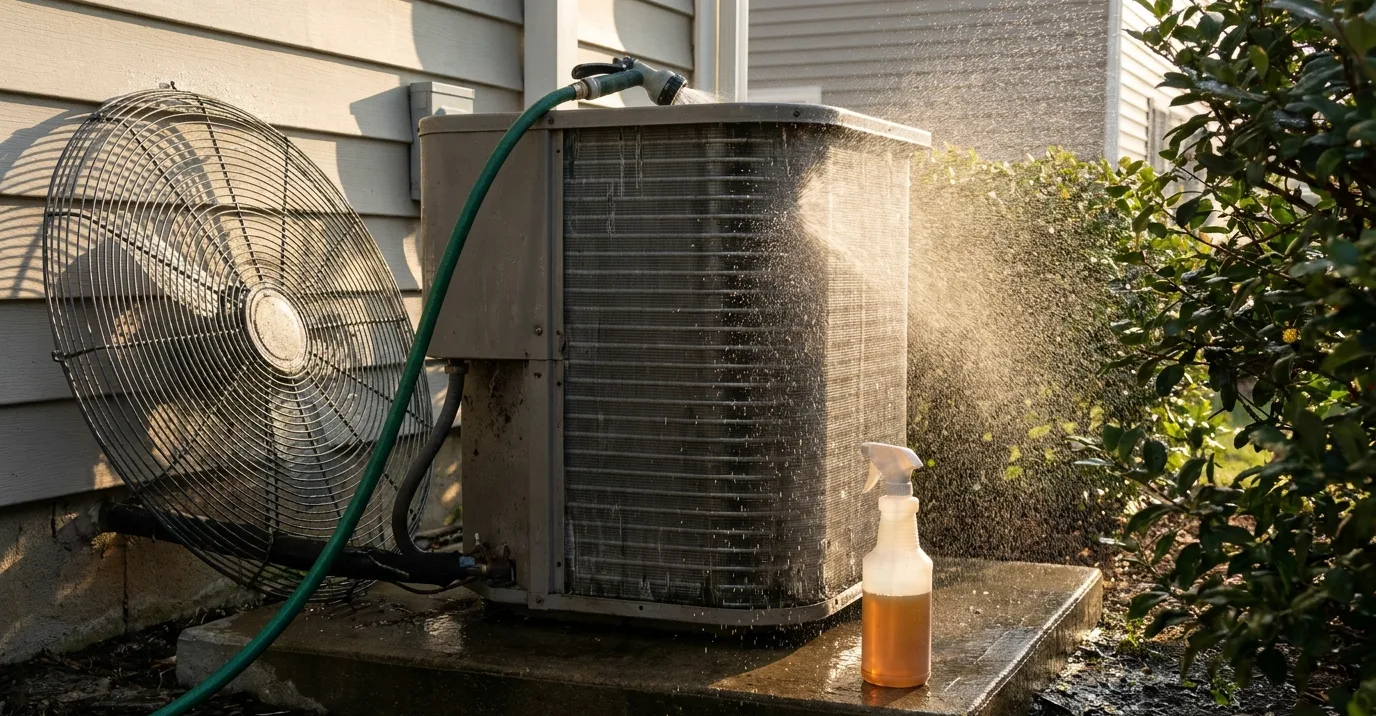
Spring Cooling Inspection Steps
Why start at the outdoor unit? The fins pack with dust fast. Technicians remove the panels and flush from the inside out so water pushes dirt off without bending them.
Next they test the run capacitor by reading the microfarads against the number printed on the case. They tighten every electrical lug on the contactor and check amp draw on the compressor and fan motor under load.
Inside they measure the temperature split across the evaporator coil, verify refrigerant pressures against expected values for the current outdoor temperature, and confirm condensate drains flow freely past the float switch.
Fall Heating Inspection Steps
The heating check focuses on combustion safety and heat transfer components that only run in winter.
Furnace Tasks Performed
- Remove and clean the flame sensor rod
- Inspect burners for proper flame shape
- Measure flue draft with a manometer
- Check heat exchanger for cracks or soot
- Verify inducer motor amp draw
Homeowner Tasks Between Visits
- Replace 1-inch filters every 30 days
- Keep 4-inch media filters under 90 days
- Clear leaves from around the condenser
- Make sure supply vents stay open
- Note any unusual noises or odors
Filter size matters because an undersized filter raises static pressure and reduces airflow across the coil or heat exchanger. Technicians note the correct dimensions during the visit so homeowners can buy the right replacement.
Common Measurements Taken
| Reading | Purpose |
|---|---|
| Temperature split | Confirms evaporator performance |
| Refrigerant pressures | Verifies proper charge level |
| Static pressure | Detects restricted airflow |
| Capacitor value | Checks start and run components |
| Flue draft | Ensures safe venting of combustion |
These numbers give a clear picture of system health without guessing. A technician records each value on the service ticket so changes can be tracked from one visit to the next.
Homes with attic units often show higher static from dust buildup on the coil.
Tasks Homeowners Can Handle
Homeowners handle the easy stuff between visits. Change the filter on time. Keep debris away from the outdoor unit so the fan does not have to work harder pulling air through a clogged screen. Watch for water backing up in the drain line.
Tasks with electrical connections, refrigerant, or combustion parts stay with our technicians at Mancini Heating & Cooling because attempting them without the right tools and gauges risks damaging equipment or creating safety issues.
Maintenance visits do not replace needed repairs. If a capacitor fails or a drain clogs between checks we address it under a separate service call rather than during the routine inspection.
Questions About HVAC Maintenance Visits
How long does a maintenance visit take?
Most cooling or heating checks run 60 to 90 minutes once the technician reaches the equipment. Time varies with the number of systems and how much access is available in attics or crawl spaces.
Do you adjust refrigerant during maintenance?
Only if pressures fall outside expected ranges and the system shows symptoms of a leak. Otherwise the visit focuses on cleaning, tightening, and verifying performance rather than adding refrigerant.
What filter size works best?
The size printed on the old filter or listed on the equipment label gives the correct dimensions. Thicker 4- or 5-inch media filters capture more dust but require checking the filter rack fit before purchase.
Routine HVAC Maintenance also pairs well with Ductwork Repair when airflow readings stay high. We schedule these visits across most of the United States.
Book HVAC Maintenance
Call to schedule the next cooling or heating check and keep your system operating through the season.
Call (888) 205-1096